Jason Svonavec | Downtime Is Not an Inconvenience. It Is a Payroll Problem.
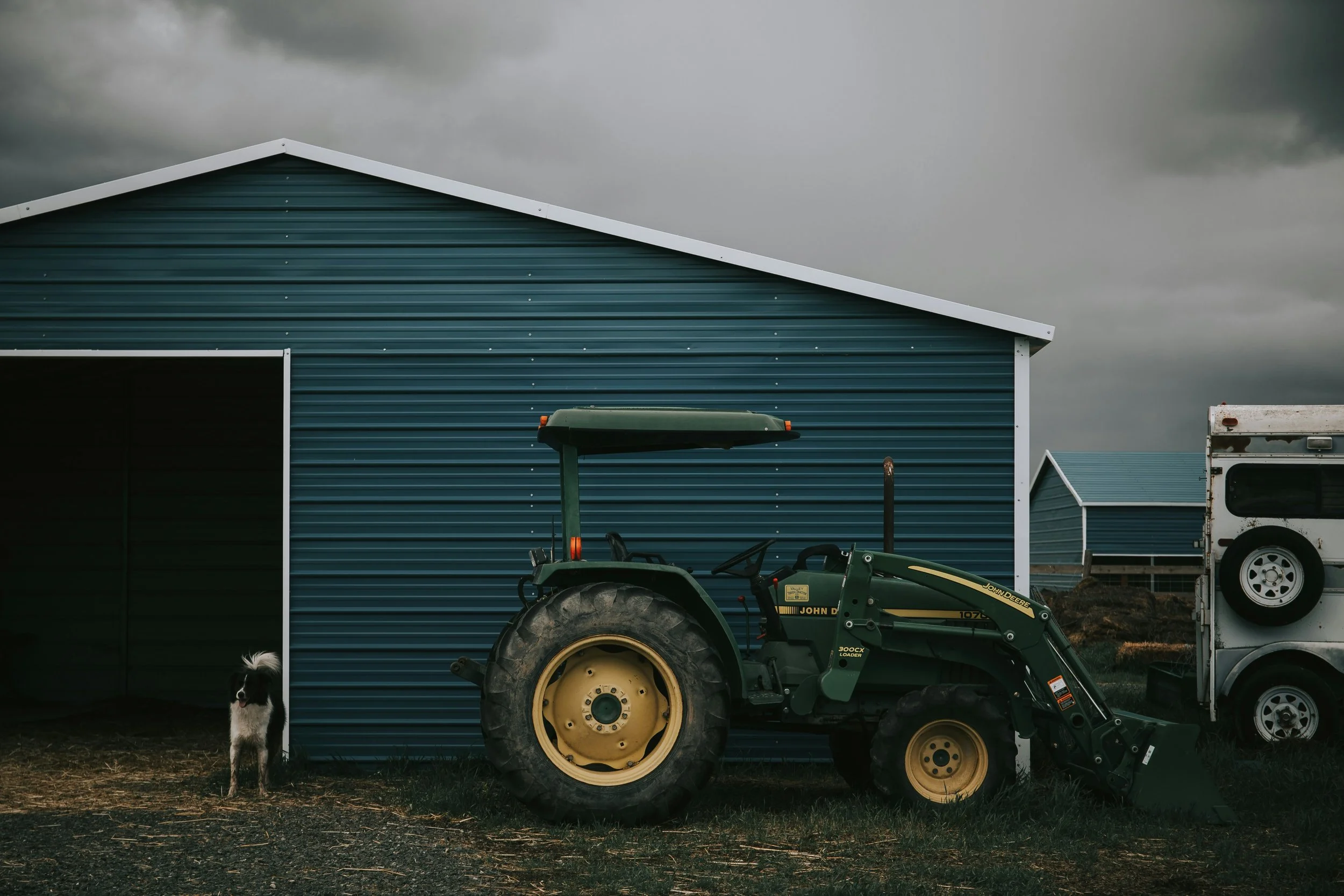
A dead machine does not just sit there. It bills you. The operator stands idle, the crew waits, the schedule slips, and the general contractor starts making phone calls nobody wants to receive. Jason Svonavec of Somerset County has built his entire approach to the equipment business around that one unforgiving fact.
Most people outside construction think of equipment failure as a repair cost. The repair is the cheap part. The expensive part is everything attached to it: the labor you are paying to watch a machine not work, the penalty clauses, the next job that goes to somebody else because you missed a date.
The Math Contractors Actually Live With
Margins on excavation and construction work are thin. A project bid assumes machines run when they are supposed to run. Every hour of downtime eats margin directly, with no way to earn it back.
Worse, downtime stacks. The machine that fails on Tuesday pushes Wednesday’s work to Thursday, and the concrete that was scheduled does not care about any of it. One mechanical failure can knock a three-week sequence sideways, and untangling it costs management hours nobody bills for.
Svonavec, Operations Manager at Fearless Leasing, talks about this with customers because he wants them thinking about it before it happens. A machine that fails on site has usually been telling somebody about it for weeks. Hydraulic systems rarely die without warning. Somebody has to be paying attention.
That is why inspection at Fearless Leasing is treated as the product, not a step in the process. The machine is the visible thing the customer leases. The hours of checking behind it are what the customer is actually buying.
Prevention Looks Like Nothing Happening
Here is the strange part about doing this well. Success is invisible. When a machine runs all season without a failure, no one celebrates. There is no moment where the disaster that did not happen gets acknowledged.
That invisibility is why prevention loses budget fights. A breakdown produces a number everyone can see, while the prevented breakdown produces nothing but a quiet week. Operations that only fund what they can measure end up funding their own emergencies.
You have to be a certain kind of person to keep investing in invisible wins. Svonavec has been that person since 1999, through heavy hauling, mining work, rebuilds, and leasing. The pattern held everywhere: the operations that looked smooth from the outside were the ones doing tedious work nobody saw.
His phrase for it is that speed fades, but discipline compounds. Skipping the inspection saves an afternoon once. Doing the inspection saves the season, every season, for as long as you keep doing it.
What to Ask Before You Sign a Lease
Svonavec offers contractors a simple filter. Do not ask a leasing company what they have available. Ask them what they checked before it became available.
Ask who inspected the undercarriage and when. Ask what happens when something breaks on a Friday afternoon and whether a human being answers the phone. Ask whether they have ever refused to send out a unit because it was not right. The answers tell you everything about what your downtime will look like six months in.
The good operators will welcome those questions. The other kind will quote you a rate.
A cheaper rate on a questionable machine is not a discount. It is a loan against your schedule, and the interest rate is brutal. The contractors who last are the ones who figured that out, usually the hard way.
Svonavec applies the same logic to his own pursuits, from the Bootlegger pulling tractor he campaigns in the Fendt High Stakes Series to the Longhorn herd at Banshee Farms. Different machines, different stakes, same rule. Take care of the thing before it forces you to.
Downtime is not bad luck. It is deferred attention, finally come due. The bill always arrives, and it is always bigger than the work you skipped.